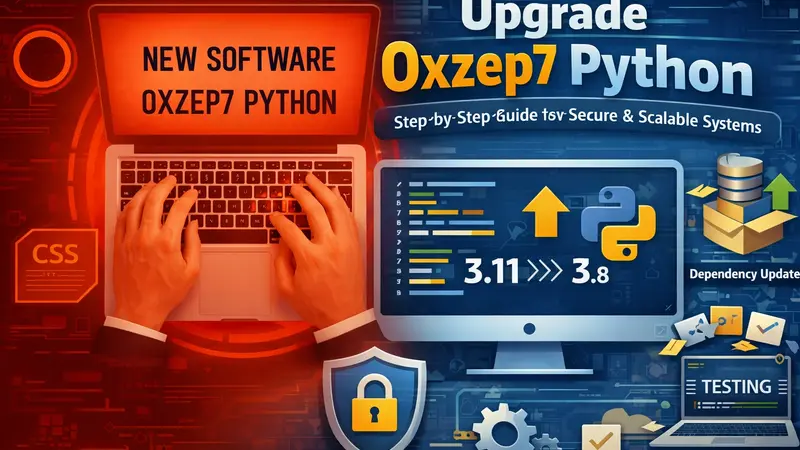
Keeping your development environment updated is one of the smartest habits any programmer can build. If you’re searching for upgrade oxzep7 python, chances are you want clear instructions, zero confusion, and no broken projects after the update. This guide is written exactly for that purpose.
Upgrading Oxzep7 Python is not just about getting the latest version. It’s about improving performance, fixing bugs, strengthening security, and maintaining compatibility with modern libraries. When done correctly, the upgrade process is smooth and safe. When done carelessly, it can lead to frustrating errors.
In this in-depth guide, you’ll learn what Oxzep7 Python is, why upgrading matters, how to upgrade it step by step, and how to avoid common mistakes. Everything is explained in simple, human language—no fluff, no filler.
What is Oxzep7 Python?
“Oxzep7 Python” refers to a customized or specialized Python environment or version used for specific development workflows. It may be part of a framework, internal toolchain, or packaged Python distribution designed for enhanced performance or compatibility.
Developers often use Oxzep7 Python in environments where stability, controlled updates, and predictable behavior matter. Because of this, upgrading Oxzep7 Python requires a bit more care than a standard Python update.
Unlike casual Python installations, Oxzep7 Python upgrades are often tied to dependencies, system configurations, and existing projects. That’s why following a structured upgrade process is essential.
Why You Should Upgrade Oxzep7 Python
Running an outdated version of OxZep7 Python can cause more harm than most developers realize. Upgrading is not just optional—it’s often necessary.
Here’s why upgrading matters:
-
Security improvements close vulnerabilities found in older versions
-
Better performance means faster execution and lower memory usage
-
Bug fixes eliminate known crashes and unexpected behavior
-
Library compatibility ensures modern packages work correctly
-
Long-term support prevents future migration problems
Skipping updates may feel safe in the short term, but it increases technical debt over time.
Check Your Current Oxypy Python Version
Before upgrading Oxzep7 Python, you need to know exactly what version you’re running. This step prevents accidental downgrades or compatibility issues.
Open your terminal or command prompt and run:
or
If Oxzep7 Python uses a custom command, consult your environment’s documentation. Write down the version number—you’ll need it later for verification.
System Requirements Before Upgrading Oxzep7 Python
Preparation is the difference between a clean upgrade and a broken environment.
Before you upgrade Oxzep7 Python, confirm the following:
-
Your operating system supports the new version
-
You have enough disk space for installation
-
Required system libraries are installed
-
You have admin or root permissions
-
All critical projects are backed up
Backing up your environment is non-negotiable. Even the best upgrade process can fail due to unexpected conflicts.
How to Upgrade Oxzep7 Python on Windows
Windows users should follow a structured approach to avoid PATH and permission errors.
Step 1: Download the Latest Version
Visit the official source or repository where Oxzep7 Python is distributed. Always avoid third-party download sites.
Step 2: Run the Installer
Launch the installer and make sure “Add Python to PATH” is selected. This step prevents future command issues.
Step 3: Complete Installation
Follow the prompts and let the installer finish. Avoid interrupting the process.
Step 4: Verify the Upgrade
After installation, open Command Prompt and run:
If the version matches the latest release, the upgrade was successful.
How to Upgrade Oxzep7 Python on macOS
macOS users often manage Python through package managers, which simplifies upgrades.
Step 1: Update Package Manager
If using Homebrew, run:
Step 2: Upgrade Oxzep7 Python
Run the upgrade command provided by your distribution source.
Step 3: Check Installation
Verify the version using:
Restart your terminal to ensure changes take effect.
How to Upgrade Oxzep7 Python on Linux
Linux upgrades depend heavily on the distribution.
Step 1: Update System Packages
Run your system’s update command to refresh repositories.
Step 2: Upgrade Python Package
Use your package manager to upgrade Oxzep7 Python safely.
Step 3: Confirm Version
Check the version after installation to ensure the upgrade completed correctly.
Common Errors When Upgrading Oxzep7 Python (And Fixes)
Most upgrade failures happen due to predictable mistakes. Knowing them saves hours of debugging.
| Error | Cause | Solution |
|---|---|---|
| Command not found | PATH not updated | Reconfigure environment variables |
| Permission denied | Insufficient rights | Run as admin or use sudo |
| Package conflicts | Old dependencies | Reinstall libraries |
| Version mismatch | Multiple Python installs | Set correct default version |
Addressing these issues early prevents project downtime.
Best Practices After Upgrading Oxzep7 Python
Once you upgrade Oxzep7 Python, don’t stop there. Post-upgrade steps are critical.
Start by updating pip:
Then reinstall required packages, test your projects, and confirm that scripts run as expected. If you use virtual environments, recreate them to avoid conflicts.
Upgrade Oxzep7 Python Without Breaking Existing Projects
This is the section many guides skip—and it’s the most important.
To protect your projects:
-
Use virtual environments
-
Test upgrades in staging first
-
Avoid upgrading during production deadlines
-
Keep rollback options ready
If stability matters, never upgrade directly on a live system.
Automatic vs. Manual Upgrade: Which Is Better?
Automatic upgrades are convenient, but they come with risks. Manual upgrades give you control but require attention.
Automatic upgrades are good for:
-
Development machines
-
Non-critical environments
Manual upgrades are better for:
-
Production servers
-
Long-term projects
-
Custom configurations
Choosing the right method depends on how critical your environment is.
Expert Tips for a Smooth Oxzep7 Python Upgrade
Experienced developers follow habits that reduce upgrade pain:
-
Always read release notes
-
Upgrade during low-traffic periods
-
Document changes
-
Keep old versions until testing is complete
These small steps make a big difference.
Frequently Asked Questions (FAQs)
Is upgrading Oxzep7 Python safe?
Yes, if you back up your environment and follow the correct steps.
Will I lose my installed packages?
Not if you reinstall them or use virtual environments.
How long does the upgrade take?
Usually 10–20 minutes, depending on system speed.
Can I downgrade if something breaks?
Yes, if you keep the previous version available.
What if the upgrade fails?
Review error logs, fix dependencies, and retry the installation.
Final Thoughts
Upgrading Oxzep7 Python doesn’t have to be stressful. With proper preparation, a clear process, and a little patience, the upgrade becomes a smooth and beneficial experience. Staying updated ensures better performance, stronger security, and long-term compatibility with modern tools.
If you follow this guide step by step, you’ll not only upgrade Oxzep7 Python successfully—you’ll do it with confidence.
Visit Tech Metter for more details.