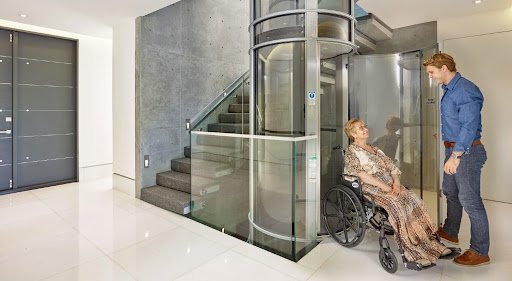
In residential houses, elevators are becoming very popular in modern multi-story houses and provide convenience and access to the house owners and guests. They can be used to increase the mobility of people who have limited movement and provide an aesthetic feature to the modern home design. As these systems have become popular, the knowledge of how to install them has been a necessity to homeowners, builders, and architects.
The home elevator installation by a professional guarantees that every system is safe and efficient. Certified teams are involved in the entire process, starting with its pre-planning, mechanical installation, structural inspection, electrical compliance, and final testing. This will ensure long-term reliability and reduce any possible operational problems and correspond to the current design requirements and safety standards.
Residential Elevator Systems
There are a variety of residential elevators that would fit various requirements, plans, and financial limits. Home design, space, and intended use determine the appropriate system to be used.
Hydraulic Elevators
Hydraulic elevators make use of a fluid-driven piston to lift and lower the cab. They fit well in the houses of medium ceiling height and need a machine room or area to fit the hydraulic pump. They are dependable, flowing, and mostly applicable in two- or three-story homes.
Traction Elevators
Traction lifts use ropes and counterweights to lift the cab, and they are more efficient, and the lift is smoother in multi-story houses. They tend to occupy less floor area on the shaft,, yet a higher ceiling is required. Traction elevators are recommended in a larger house where power savings and reduced noise of operation are of importance.
Pneumatic Vacuum Elevators
The pneumatic elevators are used to take the cab up and down the building through differences in the air pressure. They are small, need fewer structural alterations, and may be in cylindrical shapes. They are not very complicated to install and are therefore applicable to spaces with limited space or retrofits in a home.
Planning and Site Evaluation
Before installation, proper planning is necessary to be safe and convenient and in accordance with building code.
Space Requirements
When thinking about the floor plan, take into account the size of shafts, ceiling height, and floor plan. Space is sufficient and can facilitate the smooth operation of equipment and allow the cab size to operate without disturbing the structural parts.
Structural Assessment
A professional considers the load-bearing walls, strength of floors, and reinforcement needs. The structural integrity is very essential in the longevity and safety of elevators.
Accessibility and Location
The positioning should be as convenient as possible without much interference with the current layouts. Accessibility to core areas of living and points of entry is an added plus.
Materials and Components of a Home Elevator
The performance, durability, and safety are affected by the high-quality materials and components.
Elevator Cab and Doors
The finishes of the cab are standard steel, custom wood, or glass panels. There are sliding and swing door mechanisms, which have been made to operate smoothly and quietly.
Motors and Mechanical Systems
Depending on the type of elevator hydraulic pumps, traction motors and pneumatic systems are installed. These parts are designed in such a way as to promote stable and safe working conditions.
Safety and Control Systems
The current elevators are fitted with sensors, emergency brakes, and control panels. Meeting the safety standards guarantees safe running and protection of the user.
The Installation Process
Installation is done on a systematic basis by professionals.
Pre-Installation Preparation
Teams systematize materials, equip the shaft, and verify preliminary measurements. Adequate preparation will help in reducing downtimes of mechanical prearrangements.
Mechanical and Electrical Setup
Installation involves the installation of the motors, cab mounting, and electrical wiring. Technicians are certified to conform to safety standards to avoid risks.
Testing and Final Adjustments
Systems are highly tested after installation. Calibration guarantees the free movement, the correct operation of the sensor, and efficient braking.
Safety Standards and Compliance
The residential elevators should comply with the local housing regulations and industry safety standards.
Local Building Codes
Before and after installation, permits, inspections, and approvals are required. Legality is achieved through compliance and minimizes risks.
Electrical and Mechanical Safety
Verified components, load capacity checks, and correct wiring are used to avoid malfunctions or dangers.
User Safety Measures
Passengers are provided with the protection of sensors, alarms, and periodic maintenance.
Maintenance and Longevity
Continuous maintenance increases the life of the elevator and provides the performance.
Routine Inspections
Wear: Cab, doors, mechanical systems are periodically examined in regard to wear or misalignment.
Repairs and Replacement of Component parts
Motors, cables, and controllers need to be replaced in time to avoid failures.
Professional Service Intervals
Professional checks are conducted annually or semi-annually in order to make sure that all works well.
Common Challenges in Home Elevator Installation
Practical issues can also be encountered when installations are being done and they need solutions by experts
Limited Space or Unusual Layouts
The unusual structures or size of small shafts can require custom-made cab sizes or type of elevators.
Structural Constraints
Flooring limitations or weaknesses can be reinforced in order to carry the system.
Power and Electrical Limitations
Safety and efficiency requirements demand good power supply and back-up planning in case of an emergency.
Residential Elevator Systems Trends and Innovations
The modern systems use the technology to ensure efficiency, convenience, and design.
Energy-Efficient Systems
Hydraulic and traction elevators of low power help to conserve electricity and do not impact the performance.
Smart Controls and Automation
The ability to monitor remotely, do without touching and integrate with Smartphones gives it more control and convenience.
Compact and Aesthetic Designs
Minimalist designs combined with sleek cabs and transparent shafts ensure the appearance of elevators is very visual but their size is economical.
Conclusion
It is important to know the types, planning, installation and maintenance of an effective home elevator. The home elevator installation is safe, durable, and easy to operate. Professional control ensures reliability, between site assessment and testing but also in maintenance. Considerate designing and following the latest safety standards result in a system that is completely compatible with the residential areas, which are convenient and long-term in terms of performance.
FAQs
What are some of the issues to take into consideration prior to installing a residential elevator?
Ceiling height, shaft size, and structural integrity are the areas that should be reviewed by the homeowners. The elevator is planned to fit in the space adequately.
What is the average amount of time that a home elevator installation requires?
The time spent on installing the system takes between a week and a few days, depending on the type of system, the size of the property, and the complexity of the site.
What does a home elevator need in the way of maintenance?
Frequent checks, verification of mechanical parts, and service by experts contribute to the desired results in terms of performance and longevity.
What is the difference between a professional system of home elevator installation and simple ones?
The team that does the planning, electrical set-up, and safety compliance is certified to ensure that the system functions in a reliable manner over time.